
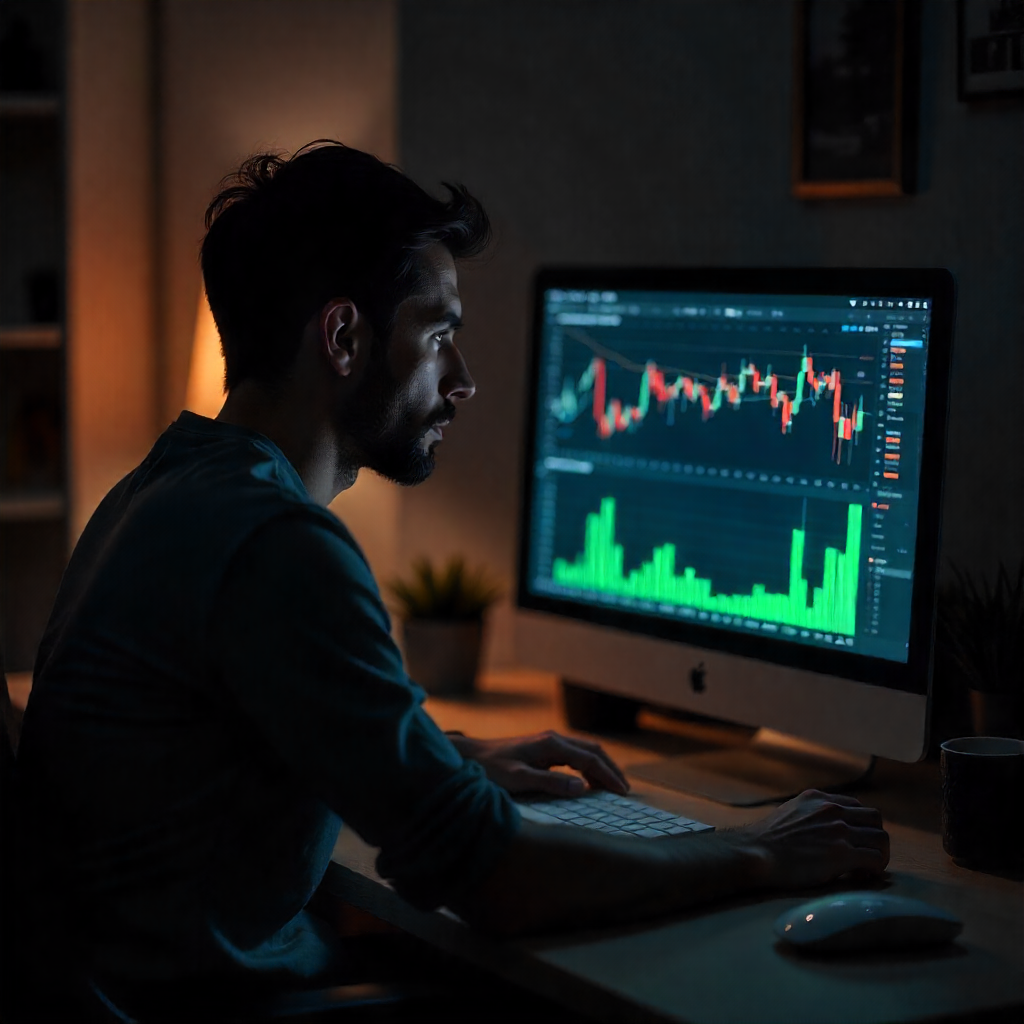

- Paper Hands behavior happens when traders sell too quickly due to fear, panic, or social pressure often causing them to miss market recoveries.
- Emotional trading leads to poor timing, unnecessary losses, and long-term damage to portfolio performance.
- Volatile markets like crypto and meme stocks, amplify emotional reactions, making disciplined strategy even more important.
- Building confidence through a clear trading plan, risk management, and data-driven decisions helps reduce impulsive exits.
- Understanding market psychology is essential for avoiding panic selling and developing long-term, disciplined trading habits.
Table of Contents
- What Paper Hands Behavior Means in Trading
- How Emotions Influence Buy and Sell Decisions
- The Most Common Signs of Emotional Trading
- Why Fear and Panic Lead to Poor Market Outcomes
- Strategies to Build More Confidence and Reduce Emotional Reactions
- Using Data and Analysis Instead of Impulse Decisions
- Frequently Asked Questions
- What causes traders to panic-sell during volatility?
- How can emotions harm long-term portfolio growth?
- What tools help traders avoid impulsive decisions?
- What is the difference between emotional trading and disciplined trading?
What Paper Hands Behavior Means in Trading
’Paper Hands’ is a derogatory term for traders who exit positions at any sign of market volatility or negative price action. These traders do not execute a trade plan; rather, they act based on emotions and consider temporary collapses as if they would become permanent market reversals. This phenomenon is especially easy to see in distress-market conditions where rapid declines or scary headlines, or hype on social media, compound the sense of urgency.
The idea was hardly debated on crypto and meme-stock forums, where wild price swings can lead investors to make instant decisions. Paper Hands sellers sell at the bottom, and then miss out on the rebound, but they don’t know how their emotions are destroying them for long-term positive portfolio development.
How Emotions Influence Buy and Sell Decisions
Emotions dominate trading far more than most people acknowledge. Fear, as well as anxiety or greed, and even pleasure, can interfere with logical thinking. But in a rapidly moving market, the brain tends to go into “fight or flight” mode — telling you to make a move and figure it out later. This is why so many exits occur during a red candle (even if the overall trend has not), and this can be the black heart of fear.
Social pressure intensifies this. Seeing others panic on Twitter or Telegram can make traders feel like danger is real, even when the data indicates that it is not. The emotional reaction comes faster than any analysis; it helps drive traders toward early exits or late entries.
The Most Common Signs of Emotional Trading
While what emotional trading looks like varies for everyone, some patterns repeat. Some traders, for example, will sell at the first sign of weakness in the market; some will trade back-and-forth with no rhyme or reason, while others are likely to take profits way too soon, just because they are scared they’ll lose them. Still others are running after hype-driven rallies just because a coin or stock is all the rage online.
Minor warning signs might be not being able to tear yourself away from watching charts, never feeling confident in a trade or thinking that you need to “do something” whenever the market moves. These are behaviors that reflect a disorganization, where, in terms of structure and reliance upon short-term sentiment, should be given an over- (and under-) valuation.
Why Fear and Panic Lead to Poor Market Outcomes
Fear-driven exit often leads to selling at the worst possible time. Markets often rebound after tumbling steeply; that means traders with Paper Hands are locking in losses, just as patient traders are readying for the recovery. Failing to capture these rebounds can have outsized effects on long-term returns, particularly in fast-moving markets like crypto.
The panic selling begets itself, too. Traders always leave too soon, they then sustain as they watch the price return, after which they try to enter at the worst level according to some high. In the long term, it undermines confidence and portfolio growth.
Strategies to Build More Confidence and Reduce Emotional Reactions
Confident trading needs structure, not impetus. The best way to do it is by making a trading plan before you get into any position. This is where entry points, stop-loss placement, profit targets at what point loss limits become valid and under what circumstances it makes sense to get out. Where all is foreordained, there is much less emotional static.
Risk management is also critically important. Smaller size positions lead to less stress, less beating and an easier time dealing with volatility. Traders who have defined their maximum risk won’t be overwhelmed by the market when it moves.
Meanwhile, attention to charts, macro trends, volume and price helps prevent overreacting to news and serving the interests of marketing masters.
A few practical habits can help:
- Look at your trades in a journal to find emotional patterns.
- Use alerts rather than wallowing in charts.
- Consistency in your entries and exits.

Over time, these rituals train out the emotional responses and supplant them with disciplined conduct.
Using Data and Analysis Instead of Impulse Decisions
Successful traders rely on structure. They instead observe support and resistance zones, study trend direction, evaluate the volume’s reaction to what price is doing, and consider macro before making a trading decision. This is opposed to the Paper Hands style, who make desperate plays at every price change.
Confidence improves when traders transition from impulse to analysis. Rather than panicking at every dip, they know whether a move is part of normal volatility or a real trend change. It turns the trading roller coaster from an emotional ride to a strategic one.
Frequently Asked Questions
What causes traders to panic-sell during volatility?
The fear of further losses, violent price shocks, herd mentality and no clear sense of where you want to trade.
How can emotions harm long-term portfolio growth?
Emotional decisions typically keep you locked into losses, out of compounding and make for poorly time re-entries.
What tools help traders avoid impulsive decisions?
Trading journals, stop-loss placements, alerts or notifications, risk controls and built-in strategies.
What is the difference between emotional trading and disciplined trading?
Emotional trading is a response to short-term movement; disciplined trading, to a well-reasoned plan.

 AAPL
AAPL 
 MSFT
MSFT  META
META  ^NDX
^NDX 
 BTC-USD
  XRP-USD
  SUZLON.NS
  INR=X
INR=X  EURUSD=X
  JPY=X
JPY=X  CAD=X
CAD=X